ECO-ESCAPER
The Use Of Digital Escape Rooms As An Immersive Learning Environment For Advancing Climate Literacy Education In Secondary Schools
Project Name: ECO-ESCAPER
Programme: Erasmus+
Priorities: Environment and fight against climate change, Supporting teachers, school leaders and other teaching professions
Project ID: 2025-1-ES01-KA220-SCH-000351001
Website: Coming soon
Social media: Coming soon
Duration: 1/12/2025 – 30/11/2028 (36 months)
Topics: Environment and climate change, Development of training courses
Project Description
This project tackles climate change through innovative education, aligning with the EU’s 2030 climate and energy goals and the European Green Deal. Recognizing the crucial role of teachers, the project focuses on equipping educators with the skills to engage students in climate topics using interactive methods.
At its core, the project introduces escape rooms as a powerful educational tool. These live-action games foster collaboration, critical thinking, and problem-solving—skills essential for understanding and addressing climate challenges. By integrating climate-themed escape rooms into teacher training and classrooms, the project offers a fresh, engaging approach to climate literacy and sustainability education.
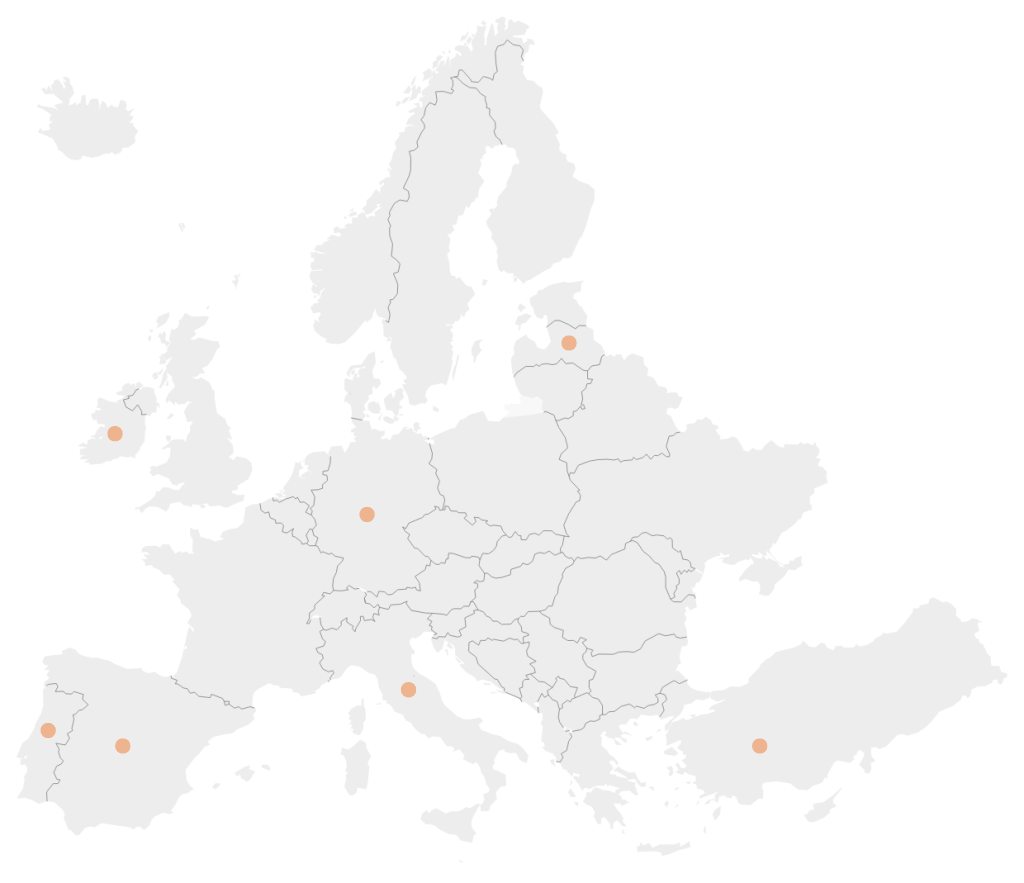
Project Consortium
Project Coordinator:
Universitat Internacional Valenciana-Valencian International University – Spain
Partners
- Smart Education Hub – Germany
- KONNEKTABLE TECHNOLOGIES LIMITED – Ireland
- Liceo G.Bianchi Dottula – Italy
- Escola Básica e Secundária Padre Manuel Álvares – Portugal
- INNOMATE – Turkey
- EKONOMIKAS UN KULTURAS AUGSTSKOLA – Latvia
Project Results
WP1: Project Management
WP2: Open Online Gamified ESCAPE ROOM Course
WP3: Escape Room Generator
WP4: Gamified OnlineTeacher Ecosystem
WP5: Dissemination and Promotion of Project Results
Our role
As an active and multidimensional partner in the Eco-Escaper project, Smart Education Hub contributes to several key areas of development and implementation.
In WP2, the organization is responsible for creating one of the content modules within the gamified online course for teachers, integrating inclusive and engaging educational strategies.
In WP3, Smart Education Hub supports the testing and refinement of the Escape Room Generator, ensuring its pedagogical usability and accessibility.
In WP4, the organization takes a leading role by organizing and managing the Virtual Co-Creation Hackathon, fostering collaboration among educators to co-develop escape room scenarios focused on climate literacy.
Additionally, in WP5, Smart Education Hub is in charge of developing the project’s communication materials, ensuring professional, coherent, and impactful dissemination across all stakeholder groups.
Through these roles, Smart Education Hub ensures the project delivers high-quality, practical, and scalable tools for advancing climate literacy in European schools.
Impact
This project aims to make a lasting contribution to climate education by enhancing teacher training and classroom engagement through innovative tools like escape rooms and digital learning platforms. Its impact will be assessed by independent experts in education, ensuring objectivity and alignment with best practices.
The evaluation will focus on the effectiveness of key project components—such as the escape room generator, e-learning platform, and teacher community—and how well they support educators in fostering climate literacy. Both quantitative and qualitative data will be collected, including participant numbers, platform usage, collaborative outputs, and satisfaction rates from teachers, students, and experts.
By actively involving over 140 teachers, 140 students, and educational professionals across Europe, the project is expected to drive meaningful improvements in climate literacy instruction. It will build a vibrant community of educators empowered with interactive tools, ultimately promoting long-term, sustainable change in environmental education.